

Adjunct Professor, Science & Society
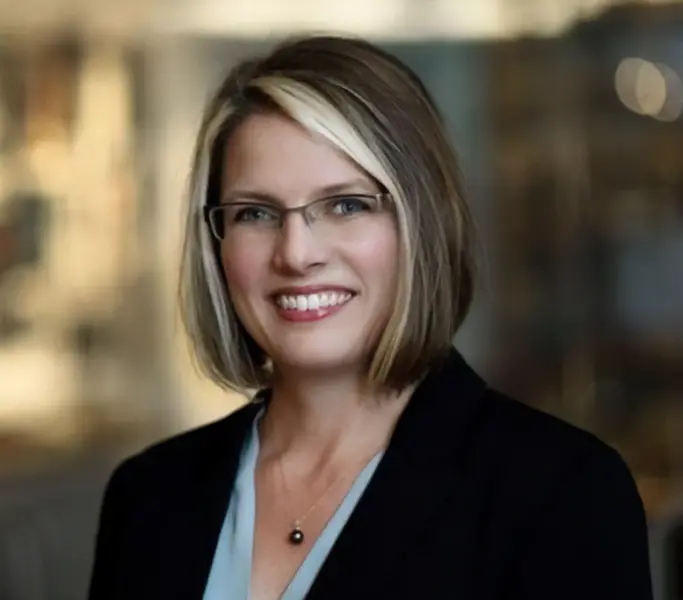
Janet Malek, Ph.D. is a Professor in the Center for Medical Ethics and Health Policy at Baylor College of Medicine and a Clinical Ethicist at Houston Methodist Hospital. She is also a visiting professor in Duke’s Initiative for Science & Society and the Program Director for Bioethics Outreach in the Trent Center for Bioethics, Humanities, and History of Medicine in the Duke University School of Medicine. She teaches ethics and professionalism to a range of learners from Masters’ students to medical students to residents and faculty.
Dr. Malek chairs the Ethics Committee for the North American Fetal Therapy Network, serves on the American College of Emergency Physicians’ ethics committee, and is a Past Chair of the Board of Directors of the Academy for Professionalism in Health Care. Her research focuses on issues related to clinical ethics, reproductive decision making, fetal and pediatric ethics, and professionalism education.
Ph.D. Philosophy, Bioethics
Rice University, 2004
B.A. Genetics, Bioethics, and Health Policy
Duke University, 1998
BIOETHIC 601S – Foundations of Bioethics
BIOETHIC 603 – Clinical Bioethics and Health Policy
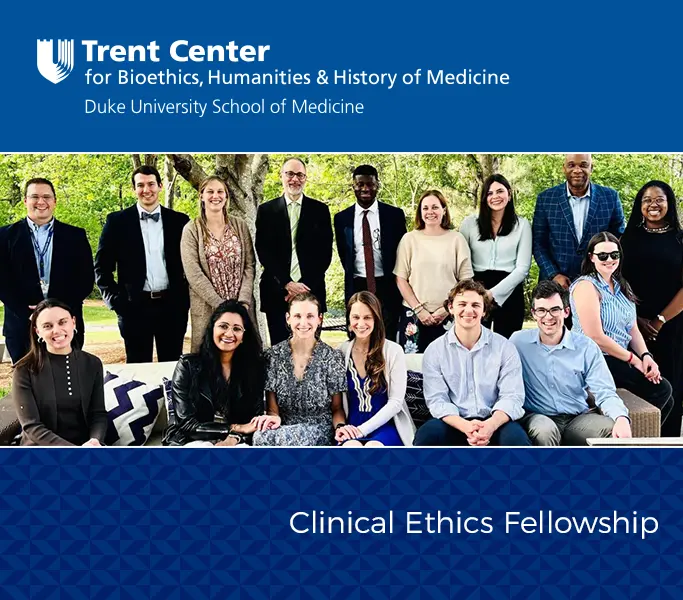
The Trent Center for Bioethics, Humanities & History of Medicine at Duke University offers a fellowship in clinical ethics for Duke residents, fellows, and faculty interested in gaining advanced training and experience in clinical ethics. The fellowship is a one-year, part-time academic program that introduces moral philosophy and provides a broad foundation in clinical ethics. Essential features of the fellowship are its practical clinical application and mentored research.
Dr. Malek is the Ethics Committee Chair for NAFTNet, a voluntary association of 54 leading medical centers across the United States, Canada, Mexico, and South America that specialize in advanced in-utero fetal therapeutic procedures. Their member centers include both academic and community-based Fetal Treatment Units, where multidisciplinary teams provide highly specialized care.
I was initially drawn to medicine and fetal therapy as an undergraduate at Duke. I was struck by the complexities in the abortion debate and considered becoming a doctor to treat fetuses with gene therapy.
After a FOCUS cluster class with Dr. Jeff Baker, the tension in the promises and perils of genetics and reproduction caught my fascination. Further shaped by a medical ethics class with Dr. Jeremy Sugarman, I found my passion and pressed deeper into medical ethics.
The students! I love opening the minds of curious students by asking the same interesting questions that captivated me as an undergraduate.
Following on my favorite part about teaching at Duke, I relish the moment when my students truly see the problem and are compelled to dig into the question. I consider my approach to be very Socratic – using questions rather than a lecture to lead students to answers.
Students appreciate the real-world bioethics cases I bring to my classes. Each case is a story that unfolds into a rich discussion exploring the intricacies of the issue, before culminating with a practical and applied conclusion.
Spending time with my three teenagers doing anything outside, especially running or paddling on the water around the Triangle. When the weather isn’t cooperating, you might find me doing escape rooms with my family or riding my Peloton.
“Don’t believe everything you think.”
– Unknown
Fetal Therapy: Researchers are developing techniques to intervene while a woman is pregnant. While breakthroughs in this research are amazing, it puts new expectations on women and introduces new difficult questions, like how much risk do we want to put a fetus through? And is offering that hope a good idea or not?
Extra-corporeal Membrane Oxygenation (ECMO): ECMO is a form of life-support used during surgeries when doctors need to stop the heart. Now it’s being used as a rescue therapy when a patient decompensates during surgery or when a ventilator isn’t sufficient. The technology was widely used during the COVID pandemic, and now it’s commonly used to stabilize patients until further evaluations can be made.
Questions arise around resource allocation, quality of life, and autonomy because patients remain stuck in the ICU and require a dedicated medical professional. But being taken off the machine likely results in death.

The FLUNCH (faculty + lunch) program is designed to encourage student-faculty interaction outside the classroom. Through the program, undergraduates can invite their faculty and/or course instructors to a free lunch at one of many dining locations across campus.
